














Skin & Device-Based Treatments
Sylfirm X RF Microneedling in Northcote
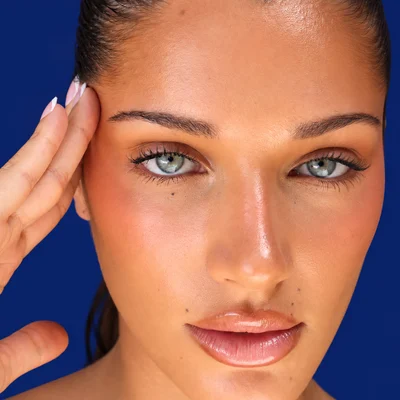
Fine needles carry radiofrequency energy into the deeper skin, designed to support natural collagen production, with settings for melasma and redness. Given by registered nurses at 312 High Street, Northcote.

What happens in the skin.
Colour, redness, texture and lines each begin in a different layer of the skin. Select a point on the illustration to see where a concern develops, and how sun, hormones, irritation and ageing contribute. Every treatment journey begins with a consultation with a registered nurse.

-
The outer layer of skin renews itself every few weeks, shedding old cells as new ones rise to the surface. When this slows, dead cells can build up and the skin can feel rough or look dull. Oil and debris can also stretch a pore, so it looks larger. Sun exposure, dryness and age can slow renewal further, and less collagen beneath can leave the surface looking uneven.
-
Skin colour comes from cells at the base of the outer layer that make a brown pigment. Sun exposure, hormonal changes and skin irritation can prompt them to make more of it in patches. This can show as dark spots, patches or an uneven tone. Melasma, a patchy darkening often linked to hormones, can come and go, and sun exposure may make it more noticeable.
-
A deep or irritated pimple can damage the collagen in the layer just beneath the surface. As the skin heals, it can rebuild that collagen unevenly. Where too little is replaced, a dip can remain, and where too much is laid down, a raised mark can form. Scarring is a change in the skin's structure, so it differs from the colour a pimple can leave behind.
-
Collagen and elastin are the natural proteins that give skin its firmness and spring. As we age we make less of both, and sun exposure, smoking and stress wear them down faster. Skin then recovers more slowly after each movement and folds more easily. Fine lines tend to appear first and, over time, can deepen into wrinkles.
-
Tiny blood vessels run through the skin just below the surface, and more blood shows through when they widen. Heat, sun, alcohol, stress and some skin conditions can bring on flushing, which usually fades. With repeated flushing, some vessels can stay widened, and for some people the redness stays. Thin or sensitive skin lets more of that colour show.
-
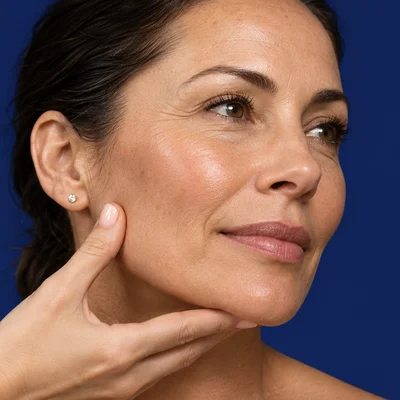
Beneath the collagen sits a layer of fat that gives the face and neck their shape and support. With age, sun exposure and changes in weight, collagen and elastin thin and the support under the skin can loosen. Along the jawline and neck, this may show as softness, creases or lines. The skin of the neck is thin and moves with every turn of the head, so changes can be easy to see there.
How Sylfirm X works.
A treatment in three steps.
-
 At the surface
Fine needles
Very fine needles make tiny channels in the skin. Numbing cream goes on first, and the treatment takes about 40 minutes.
-
 Beneath the surface
Radiofrequency energy
Energy travels through the needles and warms the layer beneath. Your nurse adjusts the settings to the concern, including a pulsed setting used for melasma and settings for redness.
-
 Over time
Renewal over weeks
This controlled warmth is designed to prompt the skin to make new collagen, and any change may take weeks to show. A course of sessions is usual, and results vary from person to person.
This information is general and is not personal medical advice. Every person's skin is different. At your consultation, a registered nurse will assess your skin, your history and your goals, and may talk through options such as Sylfirm X.
From The Gallery.
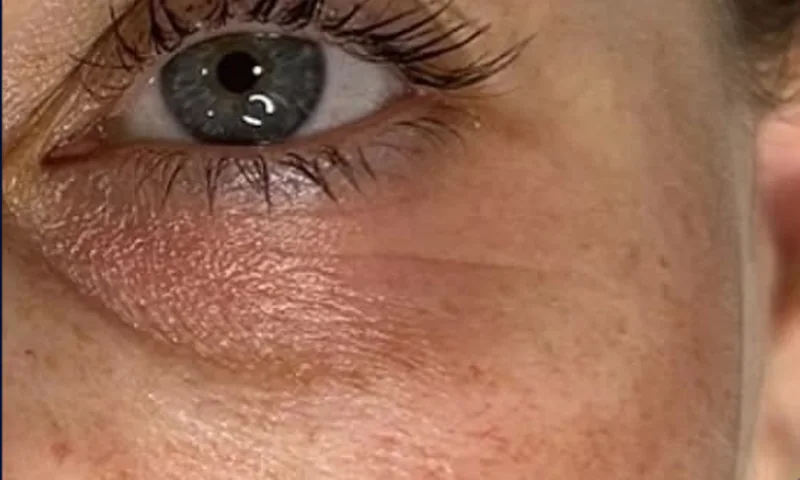
Fine lines around the eyes and uneven tone, after a course of Sylfirm X. A Heritage client, shared with consent.


- 3 sessions
- A typical course
- 4 to 6 weeks
- After the last session, as change shows
What to expect.
A consultation first
Thirty minutes with a registered nurse, who assesses your skin, medical history and goals, and explains the risks.
Numbing, then the treatment
Numbing cream is applied first. The treatment itself takes about 40 minutes.
Aftercare explained
You leave with written aftercare, and your nurse explains how to look after your skin at home.
Reviewed as you go
At your consultation, your nurse explains what may be likely for you. Results vary from person to person and are never guaranteed.

Sylfirm X questions, answered.
What is Sylfirm X RF microneedling?
Sylfirm X combines microneedling with radiofrequency energy. The needles carry heat into the deeper layers of the skin, which is designed to prompt collagen renewal. This may help texture, pores and tone change gradually. Results vary.
Sylfirm X or microneedling: which is better?
They work differently. Microneedling uses fine needles alone to prompt collagen. Sylfirm X adds radiofrequency delivered through the needles, which is designed to reach deeper and has settings for melasma and redness. Which one suits you depends on your skin and your concern, and your nurse recommends one at consultation.
How much does Sylfirm X cost?
Treatments start from $299 a session. Full face is $499, and so are melasma and redness treatments. Acne scar revision is $549 for the full face, or from $299 for a smaller area. Face and neck, or face and décolletage, is $649, and all three is $799. A package of three full-face treatments is currently $1,047. You get an exact quote at your consultation.
Can melasma look worse after needling?
Heat can trigger melasma, which is why Sylfirm X uses a pulsed setting designed to limit the heat in the skin. Your nurse also prepares your skin first and sets a sun-care plan. Melasma can still flare, so it's managed over time rather than cured.
Does Sylfirm X RF microneedling hurt?
Sylfirm X can cause some mild discomfort, so at our Northcote clinic numbing cream goes on first. The treatment then takes about 40 minutes. Tenderness and mild discomfort are common, temporary effects of cosmetic treatments. Your nurse explains the risks at your thirty-minute consultation, before you consent to anything.
Who is Sylfirm X for?
Sylfirm X RF microneedling may suit people with pigmentation and melasma, persistent redness and flushing, uneven texture and pores, acne scarring, fine lines, and changes along the jawline and neck. It's also used on the body. It isn't suitable during pregnancy or with an active skin infection. Your nurse decides whether it suits you at your Northcote consultation. Results vary.
See more questionsShow fewer questions
What is radiofrequency (RF)?
A high-frequency electric current. In the skin it creates heat, which is designed to prompt healing and collagen production.
Continuous or pulsed wave: what’s the difference?
Continuous wave is one longer burst, heating skin to about 55–60°C. It’s mainly used for texture, firmness and scars. Pulsed wave is several short bursts, reaching about 42–45°C. It’s mainly used for pigmentation, melasma and redness.
How is it different from non-invasive RF?
Non-invasive RF heats from the surface. Sylfirm X delivers RF through fine needles, at a set depth and in separate points.
How is it different from laser resurfacing?
Ablative laser resurfacing removes the top layer of skin. Sylfirm X doesn’t. It delivers heat below the surface through fine needles. Your nurse explains which suits you.
Can it be used on darker skin tones?
Unlike laser, RF isn’t absorbed by melanin, so skin tone limits it less. Pigment changes are still a possible risk, so your nurse assesses your skin first.
Can it treat the body as well as the face?
Needle depth adjusts from 0.3 to 4 mm, so it can be used on areas such as the neck, décolletage, abdomen, arms and thighs. Your nurse confirms what suits you.
How many treatments will I need?
Often a course of 3, 4 to 6 weeks apart. Melasma and redness may need 3 to 5 or more, sometimes 2 to 4 weeks apart. Results vary.
When might I notice a change?
It varies. Some people notice changes from about 1 to 2 weeks, and collagen change takes longer. Pigmentation can look darker for 1 to 2 weeks first. Results vary.
How long do results last?
It varies with your skin, the treatment and your aftercare. Results aren’t permanent. Your nurse explains what’s likely for you.
What can I expect straight after?
Redness like mild sunburn, swelling, grid-like marks and tingling. This usually settles in 4 to 6 hours but can last 3 to 5 days. Deeper treatment can cause pinpoint bleeding or bruising.
When can I wear make-up or wash my skin?
After 4 to 6 hours, or the next day after a more intensive treatment. Your nurse tells you which applies.
Can it cause breakouts?
It can, usually within 2 to 3 days, and more often with a history of acne. Contact the clinic if you’re concerned.
What are the risks?
Blisters, burns, breakouts, inflamed hair follicles, scabs, crusting, darker pigment, texture changes and scarring. Our Risks & Complications page has the full list.
Still unsure? Call 0483 931 113
Risks & Complications in fullOften paired with.
-

Texture & acne scarring
SkinPen® Microneedling
For acne scarring, enlarged pores and rough texture.
Learn more about SkinPen® Microneedling -

Regenerative
Rejuran
For texture, hydration and thin skin under the eyes.
Learn more about Rejuran -
Add-on
Exosome Skin Therapy
An add-on, applied straight after needling.
Learn more about Exosome Skin Therapy -
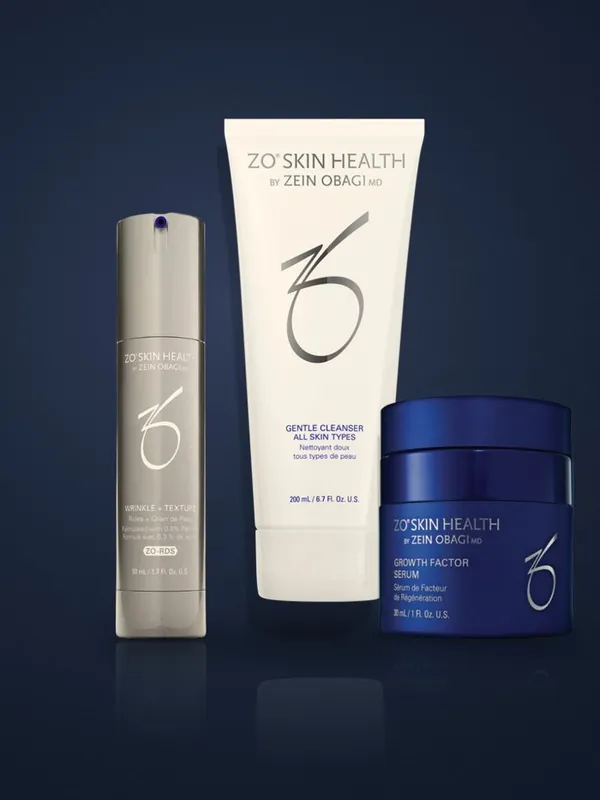
At home
ZO® Skin Health
For skin care at home, between visits.
Learn more about ZO® Skin Health

Book Sylfirm X RF Microneedling in Northcote.
New to Heritage? Your first visit starts with thirty minutes with a registered nurse. Already had one? Book Sylfirm X straight away.
