






Regenerative & Skin Quality
Exosome Skin Therapy in Northcote
Applied straight after needling. Your nurse will tell you honestly whether they'd add anything for your skin.

How skin repairs and renews.
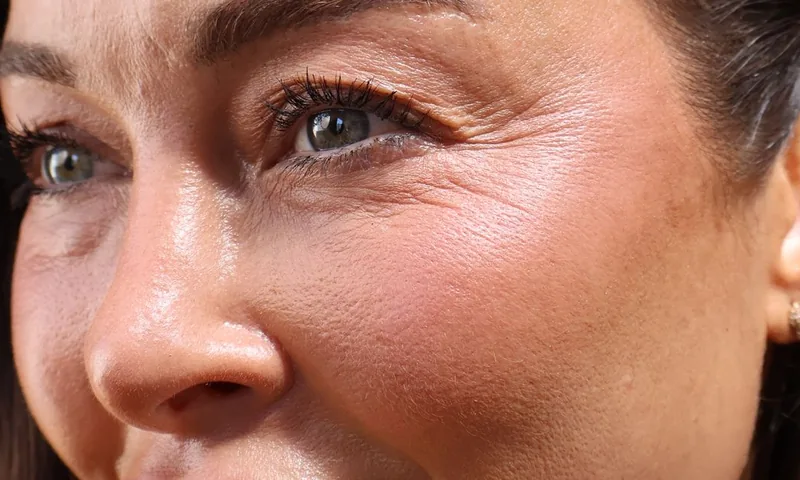
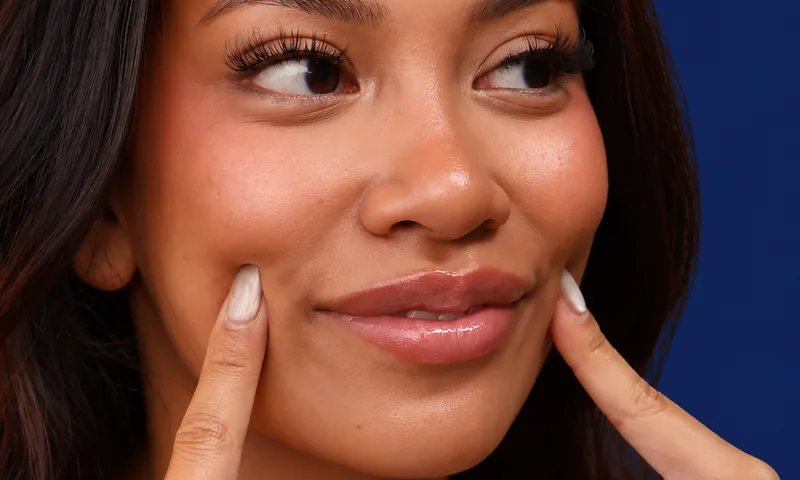
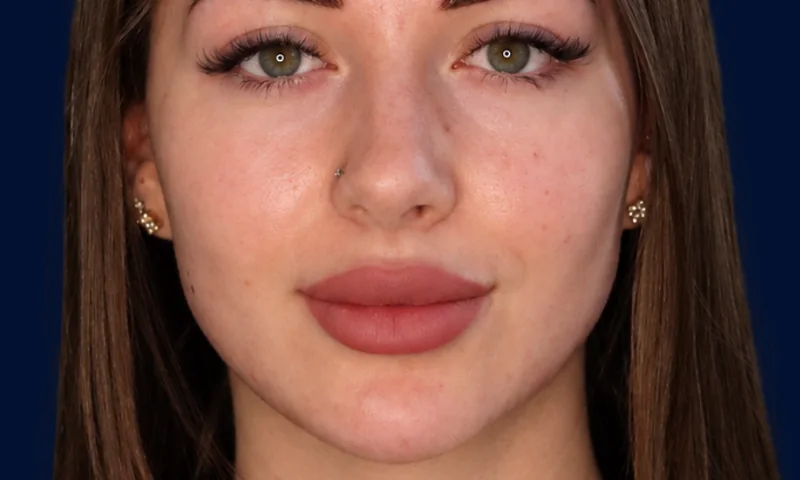
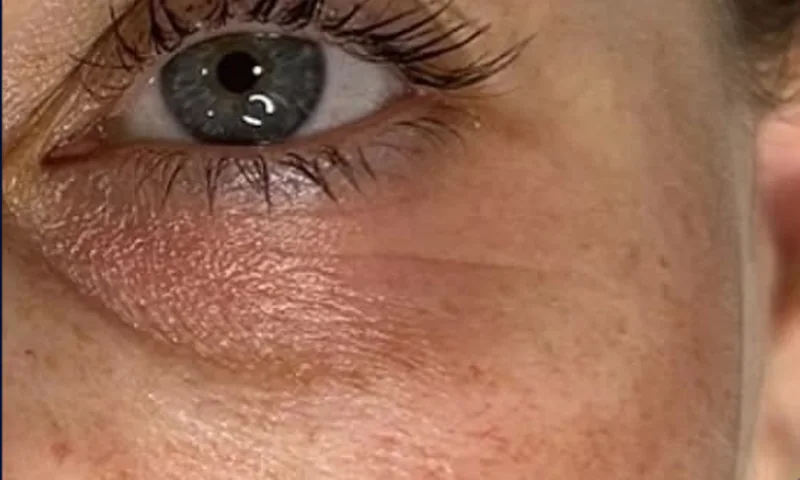
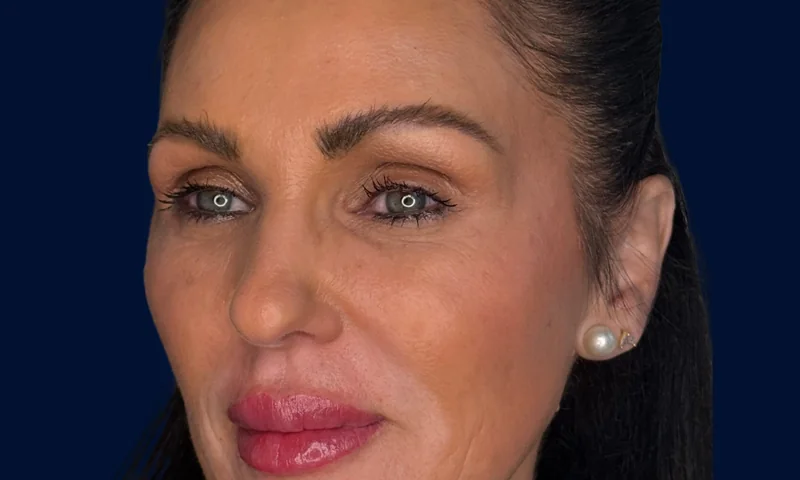
Skin repairs and renews itself all the time, and its cells coordinate this by passing small signals to one another. Exosomes are tiny particles that cells release to carry some of those signals, like tiny messengers. Select a point on the picture to see what is happening in the skin there. Every treatment journey begins with a consultation with a registered nurse.

-
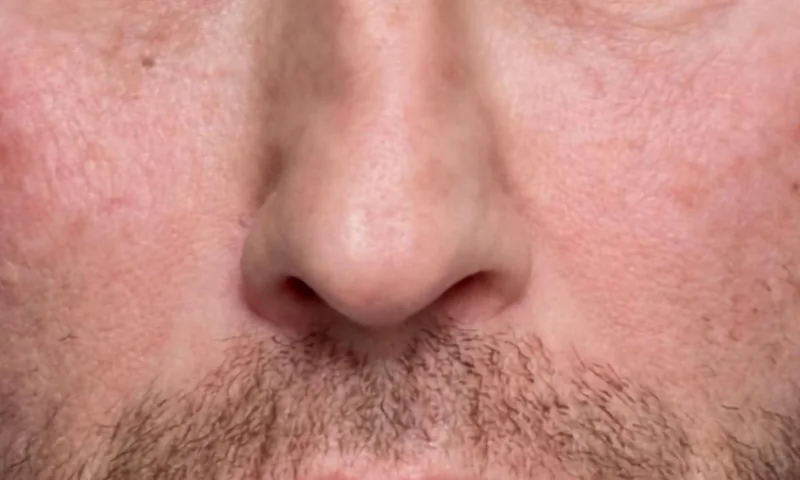
Between the skin's cells sits a woven mesh of collagen, the natural protein that keeps skin firm and helps it spring back. This mesh holds the surface up and keeps it even. With age, sun exposure and smoking, it can thin and loosen, and the surface may look uneven. Pores can look larger when the skin around them loses support. Oil production, genetics and past inflammation also play a part.
-
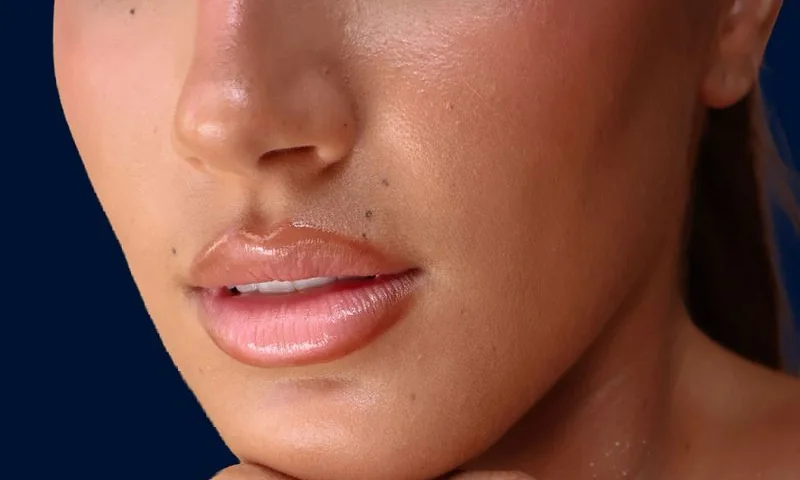
Skin renews itself constantly. Fresh cells form beneath the surface and slowly rise to replace older ones, and cells pass small signals to their neighbours to keep this cycle going. With age, sun exposure, smoking and too little sleep, those signals and the renewal they coordinate can slow. Older cells then stay on the surface for longer, and skin can look flat, tired and uneven in tone.
-
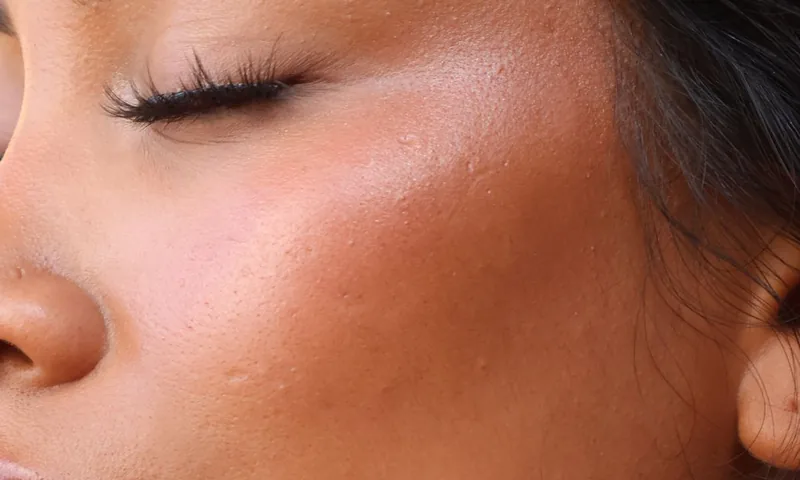
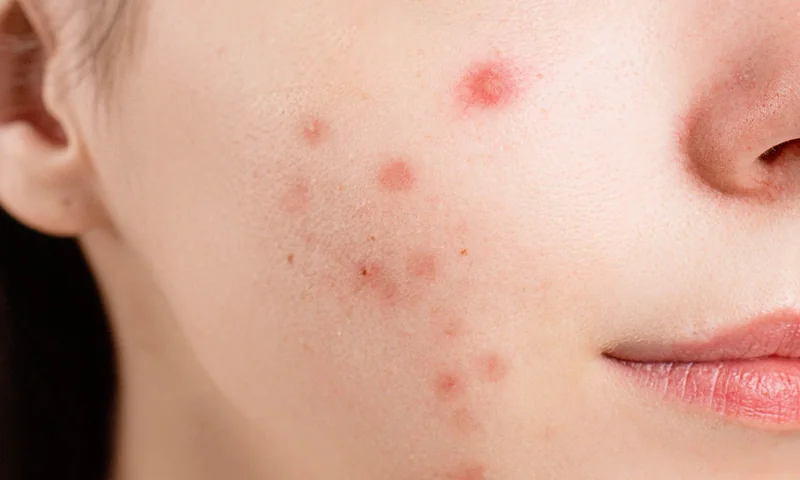
When acne damages the skin, the cells that make collagen build new collagen to repair it. This repair does not always match the skin around it, so a dip or a raised patch can be left behind. Deeper, more inflamed breakouts are more likely to leave a mark, and picking at blemishes can add to the damage. How a scar looks depends on how the skin healed.
How skin renewal slows.
It happens gradually, over many years, in three stages.
-
 Signals passing
Cells send signals
Cells pass small signals to their neighbours. These signals help coordinate how skin repairs itself and replaces older cells.
-
 Repair and renewal
Skin repairs and renews
The cells that make collagen keep its supporting mesh in repair, while fresh cells replace older ones at the surface, day after day.
-
 Collagen mesh
The cycle slows
With age, sun exposure and smoking, signalling and repair can slow. Over time, skin may look rougher, duller or more marked.
Exosome skin therapy is one of the options a registered nurse may discuss with you at a consultation. Research on exosomes in skin care is early and not yet conclusive.
This information is general and is not personal medical advice. Every person's skin is different. At your consultation, a registered nurse will assess your skin, your history and your goals before recommending a plan.
What to expect.
A consultation first
Thirty minutes with a registered nurse, who looks at your skin and your history and talks through the risks.
Needling, then exosomes
Needling opens tiny channels in the skin for a short time. Exosomes are applied straight after, in about 5 minutes.
Aftercare explained
Your nurse explains how to look after your skin, and you leave with written aftercare.
Added to your needling plan
Exosomes are an add-on to needling, never a treatment on their own. Your nurse tells you at your consultation whether adding them suits your skin.

Exosome questions, answered.
What are exosomes?
Exosomes are tiny particles that cells release to carry signals to other cells. At our clinic they're applied straight after microneedling or RF needling.
Why add exosomes after needling?
Needling opens tiny channels in the skin for a short time. Exosomes are applied straight after, while those channels are still open. Research is early, so your nurse will tell you at your consultation whether adding them suits your skin.
What does the evidence show?
Research on exosomes in skin care is early and isn't conclusive yet. Your nurse will tell you honestly whether they're likely to add anything for your skin.
How much do exosomes cost?
Exosomes are from $290 added to a needling treatment. Full-face microneedling is from $320, so the two together start from $610. You get an exact quote at your consultation.
Can I have exosomes on their own?
No. They're applied straight after microneedling or Sylfirm X RF microneedling, while the channels from needling are open. We only offer them as an add-on to needling.
Who are exosomes for?
Exosomes are for people having microneedling or Sylfirm X RF microneedling for texture, pores, dullness or acne scarring. They aren't suitable during pregnancy. Research is early and not conclusive, so your nurse at our Northcote clinic will tell you honestly whether they're likely to add anything for your skin.
Still unsure? Call 0483 931 113
Risks & Complications in fullOften paired with.
-

Texture & acne scarring
SkinPen® Microneedling
For acne scarring, enlarged pores and rough texture.
Learn more about SkinPen® Microneedling -
Pigment & redness
Sylfirm X RF Microneedling
For pigmentation, melasma and redness.
Learn more about Sylfirm X RF Microneedling -
Regenerative
Rejuran
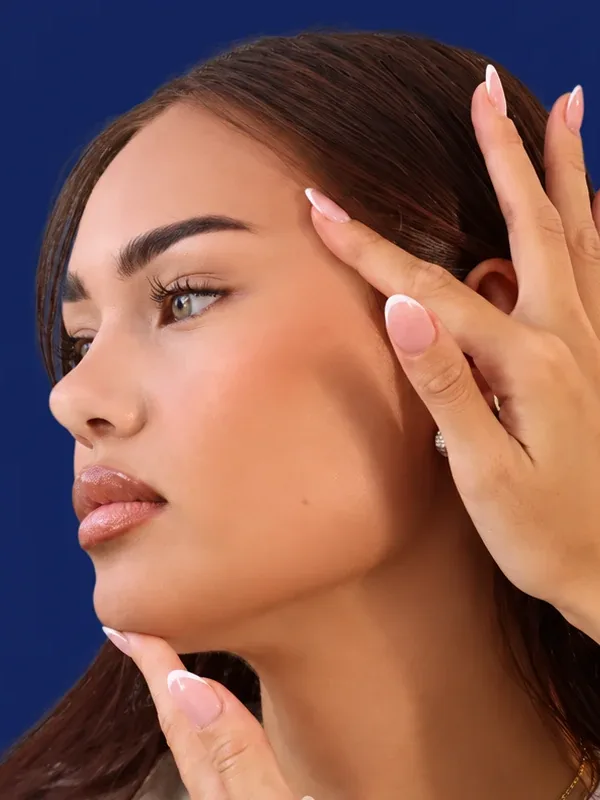
For texture, hydration and thin skin under the eyes.
Learn more about Rejuran -
At home
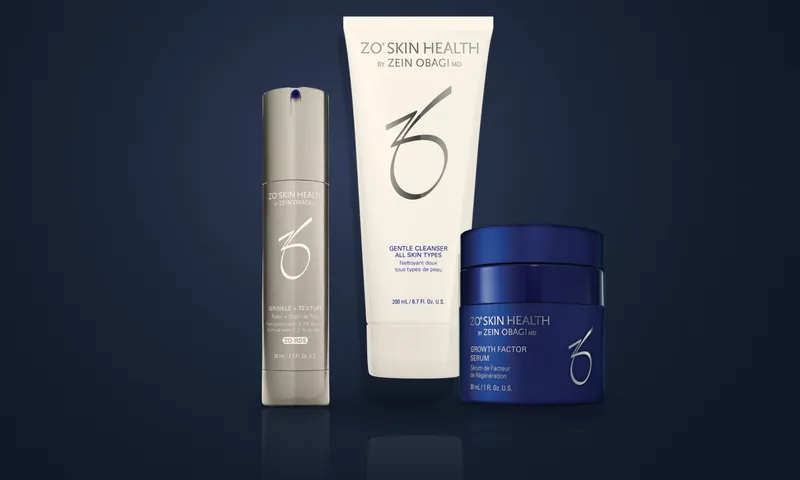
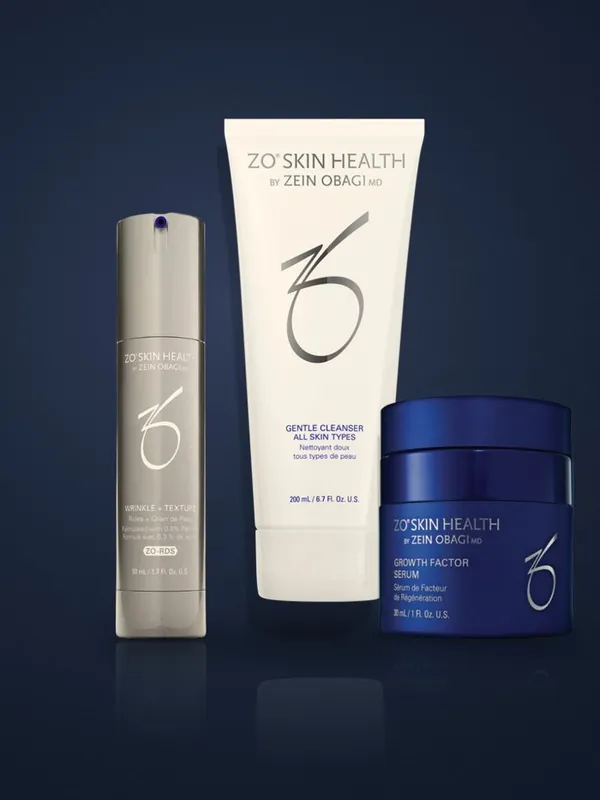
ZO® Skin Health
For keeping your skin on track at home, between visits.
Learn more about ZO® Skin Health

Book Exosome Skin Therapy in Northcote.
New to Heritage? Your first visit starts with thirty minutes with a registered nurse, who will tell you if exosomes are worth adding.
